Total population
171,060 2023 Census
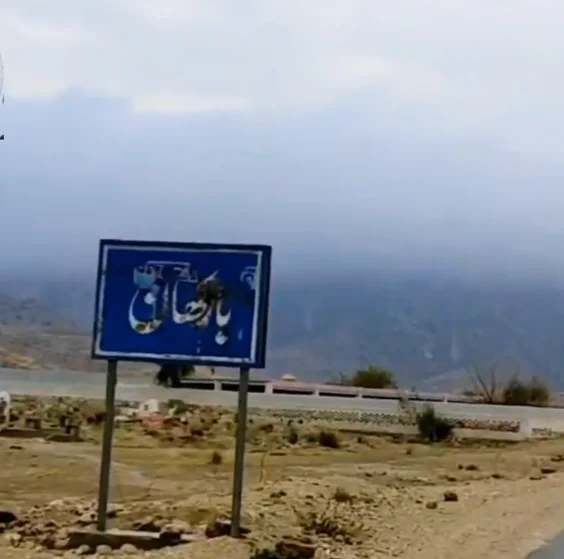
Situated in northeastern Balochistan, Barkhan District is a scenic frontier territory within the Loralai Division. It borders Punjab to the east and maintains crucial cross-provincial and regional connectivity via key highway routes. The district is divided into four tehsils—Barkhan, Rakhni, Vitakri, and Kingri (Barkhan)—with Barkhan town serving as the administrative headquarters. The local economy relies heavily on agriculture, extensive livestock pastoralism, and untapped mineral potential including gypsum and coal reserves.
171,060 2023 Census
3,486 km²
4 tehsils · 9 union councils
| Indicator | Value |
|---|---|
| Total population (2023 Census) | 171,060 |
| Total area | 3,486 km² |
| Tehsils / Sub-Divisions | 4 |
| Union councils | 9 |
| Type | Count |
|---|---|
| Schools (government total) | 274 |
| Colleges | 1 |
236 Primary, 24 Middle, 13 SSC and 1 Higher Secondary School
| Facility type | Count |
|---|---|
| DHQ | 1 |
| BHU | 13 |
| RHC | 1 |
| GD | 22 |
| MCH | 2 |
3 police stations (district total). Civil courts — Barkhan Tehsil: 1.
| Constituency | Name (Party) |
|---|---|
| NA-252 | Sardar Muhammad Yaqoob Khan Nasar (PML-N) |
| Constituency | Name (Party) |
|---|---|
| PB-4 Musakhel-cum-Barkhan | Sardar Abdul Rehman Khetran (NP) |
Barkhan is connected via regional highways, but roads in Rakhni, Vitakri, Kingri, and mountain passes remain poorly maintained, landslide-prone, and highly flood-prone.
Safe drinking water remains limited due to a lack of filtration infrastructure, depleting ground aquifers, high mineral hardness, and localized bacterial contamination in rural settlements.
Healthcare depends on Barkhan DHQ Hospital, an RHC, and scattered BHUs, but critical shortages of specialists, female personnel, medicines, and diagnostic equipment restrict basic emergency care.
Employment is constrained by a lack of local agro-processing markets, low industrial setup, limited non-farm livelihood opportunities, and technical skills gaps among agrarian youth.
Prolonged drought periods, rapid deforestation on hillsides, severe topsoil erosion from torrential runoff, and extreme temperature fluctuations threaten regional agriculture, livestock, and livelihoods.