Total population
251,320 2023 Census
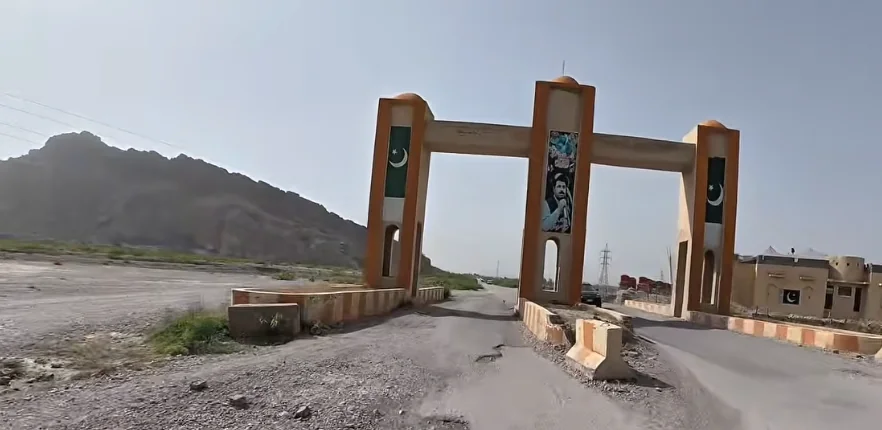
Situated in northeastern Balochistan, Duki District stands as a powerhouse economic and mining zone within the Loralai Division. It is bordered by Loralai, Barkhan, and Musakhel, maintaining critical trade routes along essential regional highway paths. The district is partitioned into three tehsils—Duki, Thal, and Chotiali—with Duki town acting as its administrative center. The area's financial strength stems from its massive black-coal deposits, vast mining industries, and fertile fruit orchards.
251,320 2023 Census
3,454 km²
3 tehsils · 11 union councils
| Indicator | Value |
|---|---|
| Total population (2023 Census) | 251,320 |
| Total area | 3,454 km² |
| Tehsils / Sub-Divisions | 3 |
| Union councils | 11 |
| Type | Count |
|---|---|
| Schools (government total) | 426 |
| Colleges | 1 |
380 Primary, 27 Middle, 17 High Secondary and 2 Higher Secondary
| Facility type | Count |
|---|---|
| DHQ | 1 |
| BHU | 10 |
| RHC | 1 |
| GD | 8 |
| MCH | 2 |
4 police stations (district total). Civil courts — Duki Tehsil: 1.
| Constituency | Name (Party) |
|---|---|
| NA-252 | Sardar Muhammad Yaqoob Khan Nasar (PML-N) |
| Constituency | Name (Party) |
|---|---|
| PB-3 Duki | Sardar Masood Ali Khan Luni (PML-N) |
Heavy coal trucks severely damage local roads, ruining connectivity, limiting market access, and creating transport safety issues across mining corridors.
Farming and households face a dropping water table and high fuel costs for pumping; irrigation programs focus on small delay-action dams and efficient water management.
Local facilities cannot adequately handle mining accidents, respiratory illnesses, or maternal needs; specialist and emergency capacity remain thin.
The massive coal sector relies on primitive, unsafe methods. Lack of local processing units for coal and fruit limits income growth and formal employment.
School gaps include missing basic infrastructure and teacher shortages, especially in rural mining settlements.