Time for Provincial Status

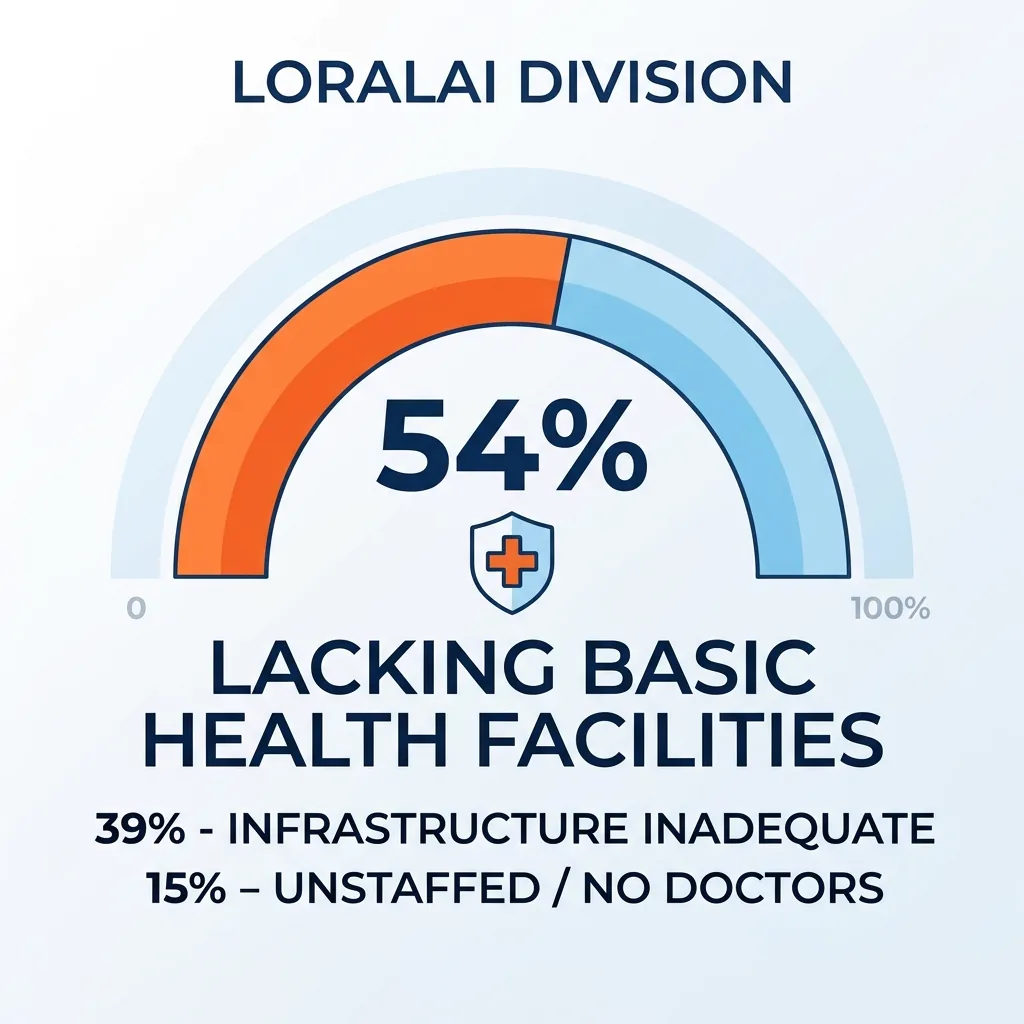
Loralai Division, with a population of approximately 1.15 million and an area of 17,047 km², is larger than 30 countries in population and 60 in land area. Despite its vital status as the critical ethno-agricultural gateway and mineral-rich corridor of northeastern Balochistan, it faces intense poverty, infrastructure decay, and chronic neglect, receiving a disproportionately low 4.80% share of the provincial development budget. Around 59% of its population lives under multidimensional poverty, 72% lack modern drainage systems, 54% lack basic healthcare access, and over 2,400 crime cases are reported annually. Experts believe that granting provincial status could be a game-changer, ensuring fair representation, improved governance, and balanced development.
Key Socio-Economic Indicators
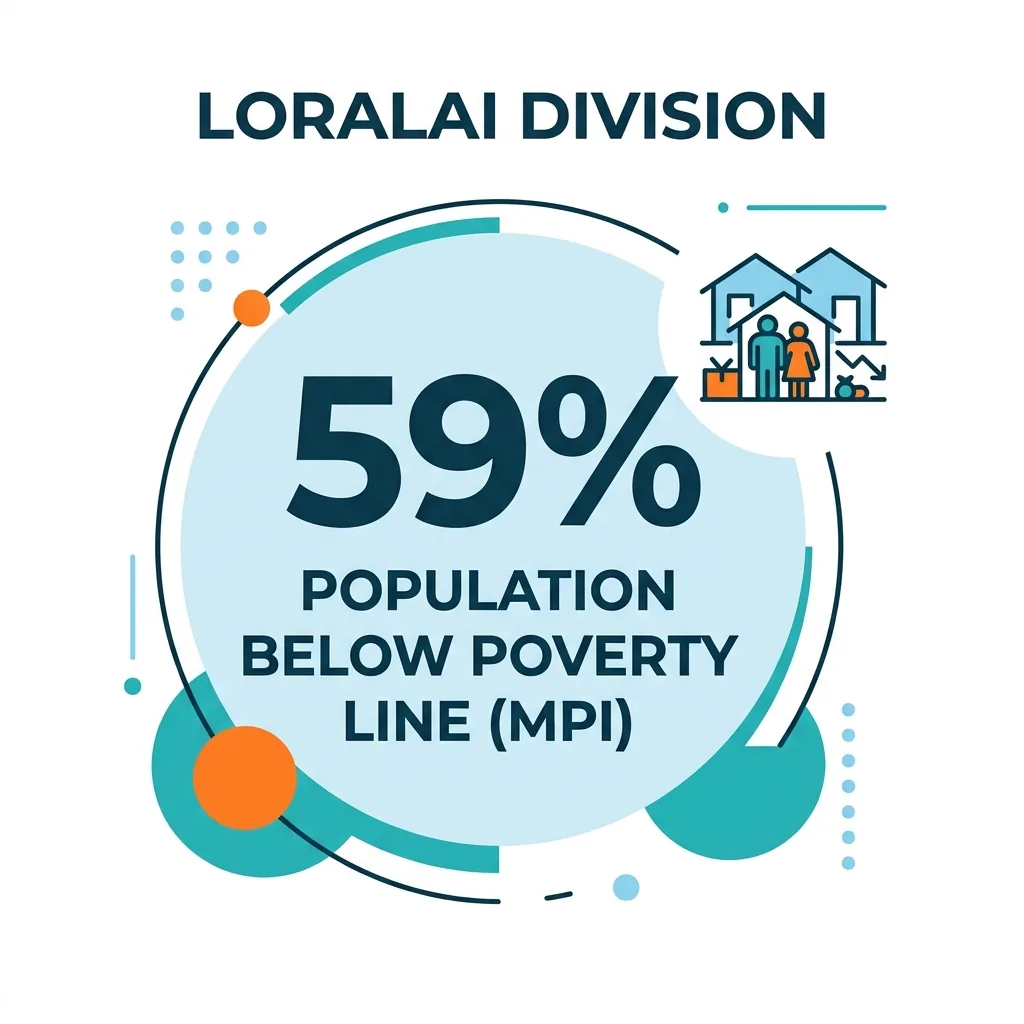
Population below the Multidimensional Poverty Index (MPI) 59.00%
Lacking Basic Health Facilities 54.00%
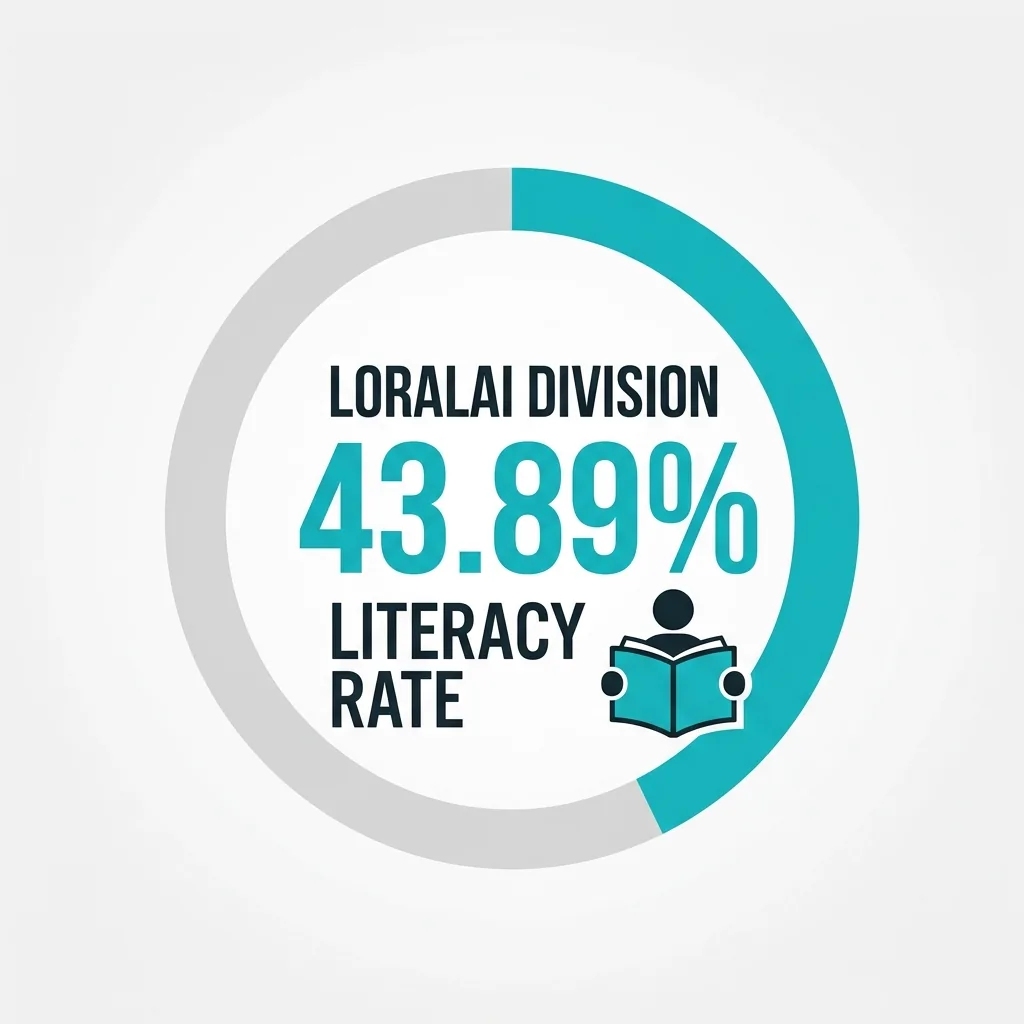
Literacy Rates 43.89%
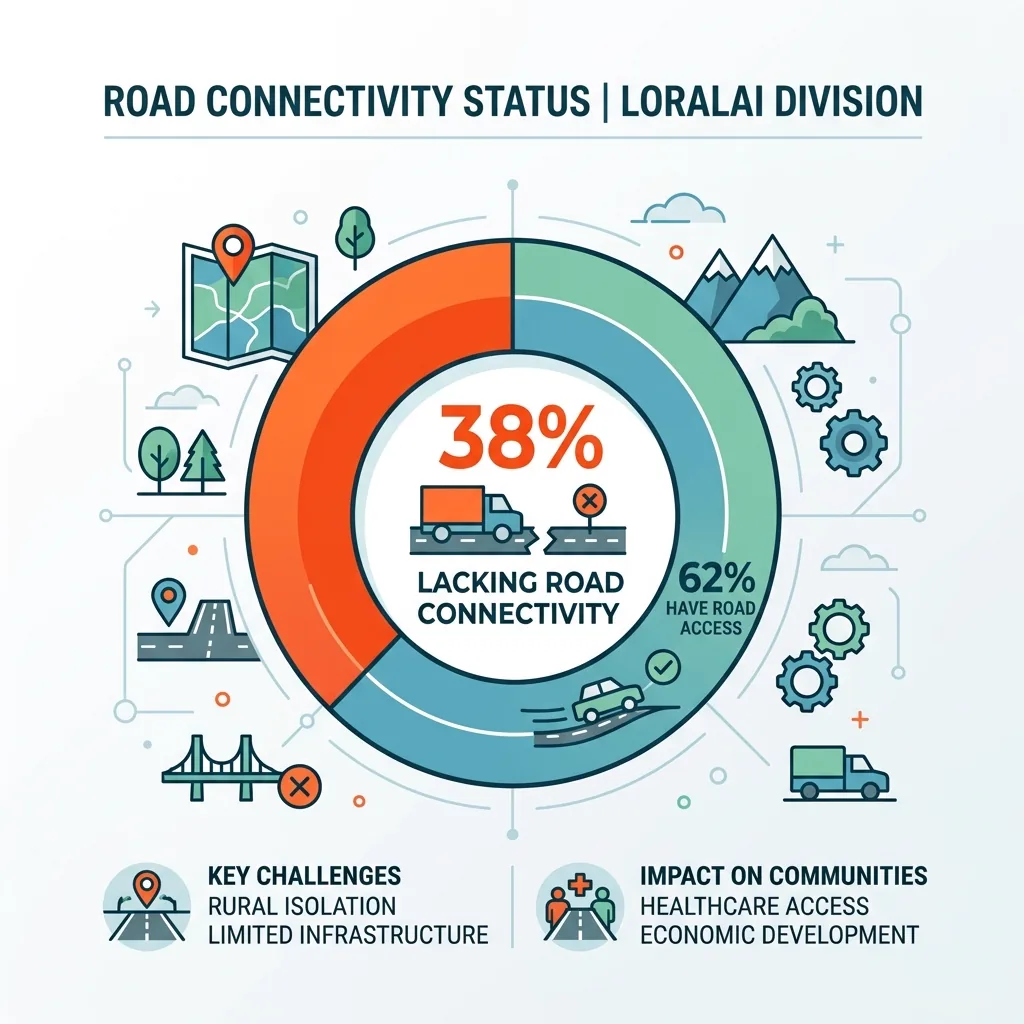
Lacking Road Connectivity 38.00%
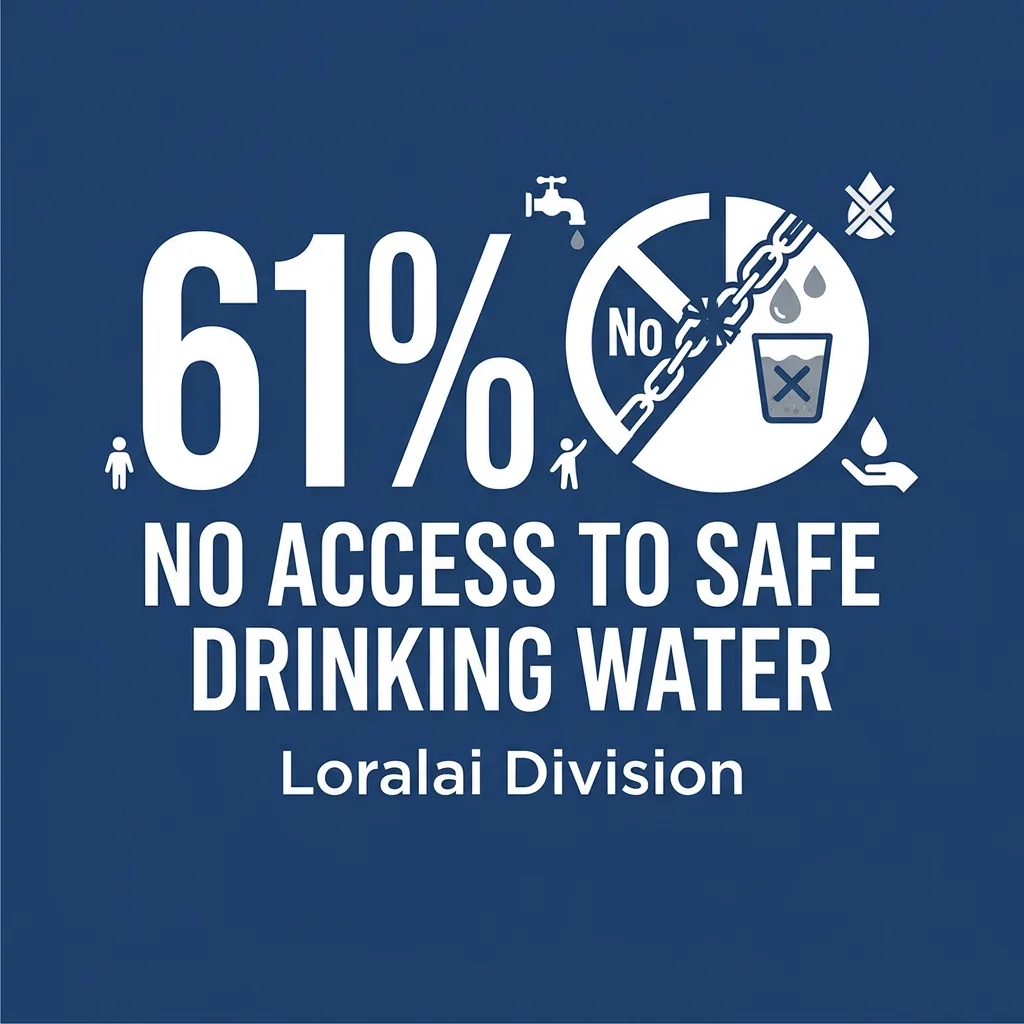
No Access to Safe Drinking Water 61.00%
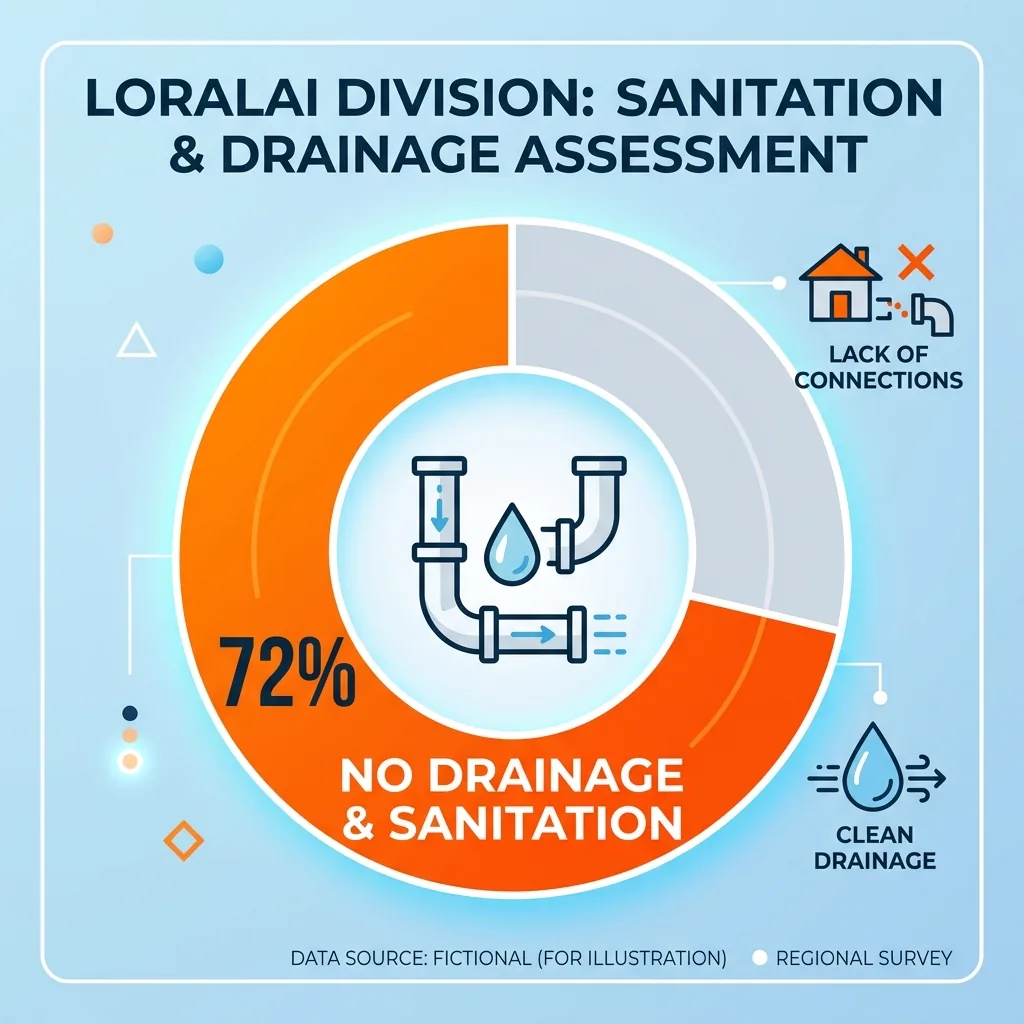
No Drainage and Sanitation 72.00%
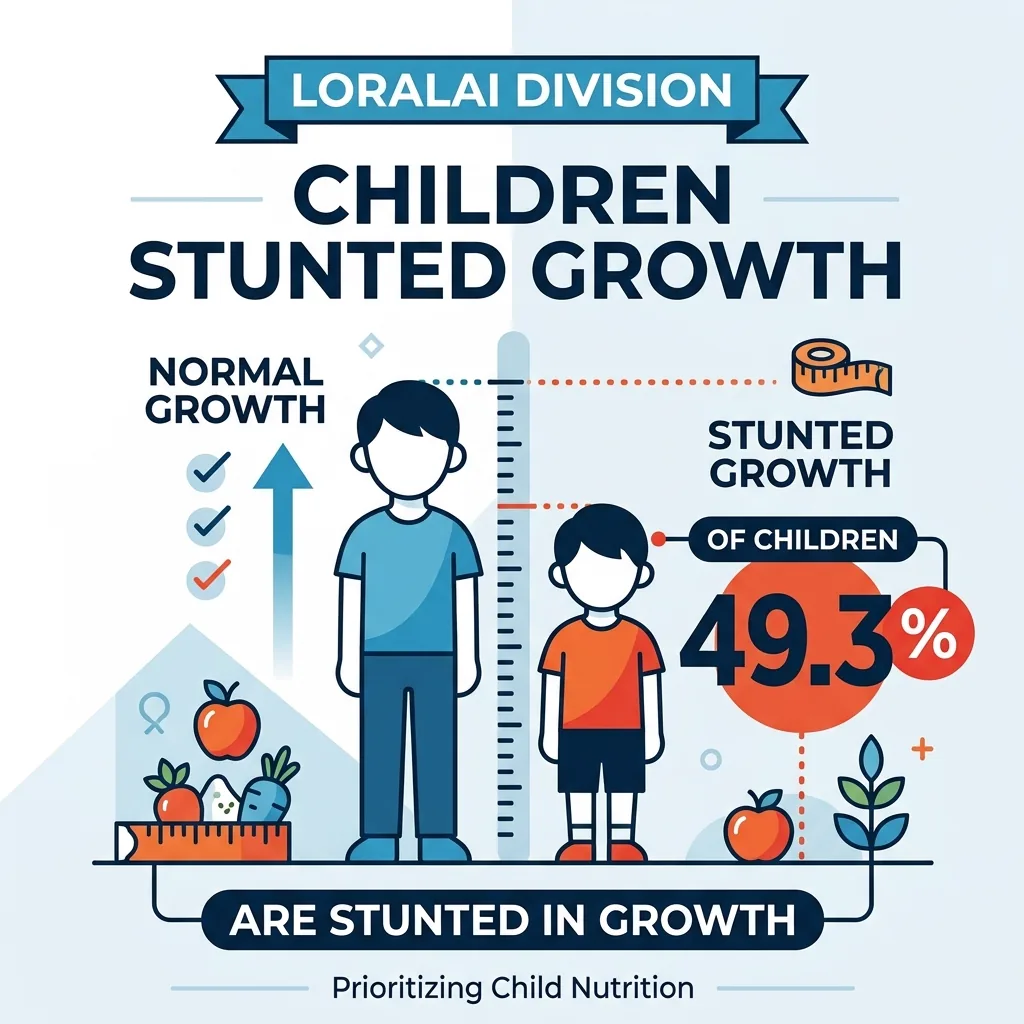
Children Stunted Growth 49.30%
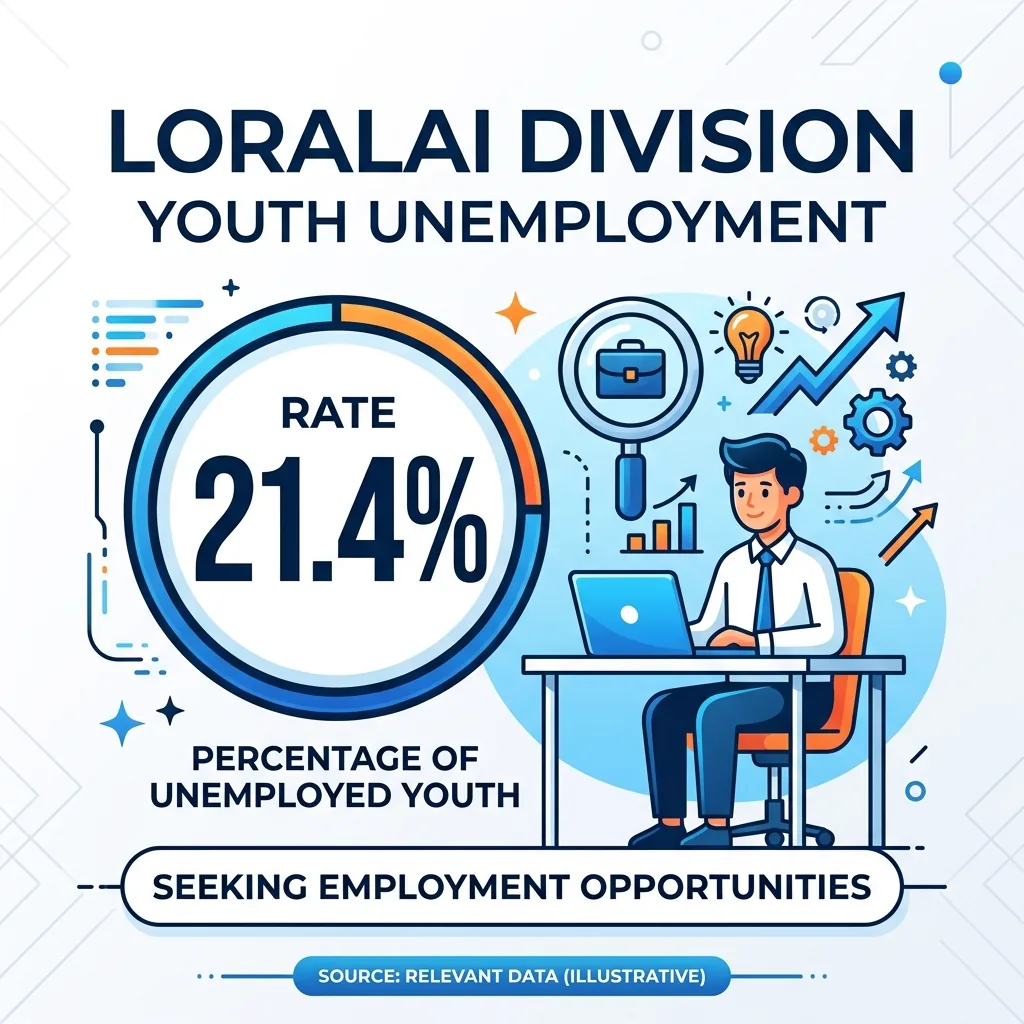
Youth Unemployment 21.40%
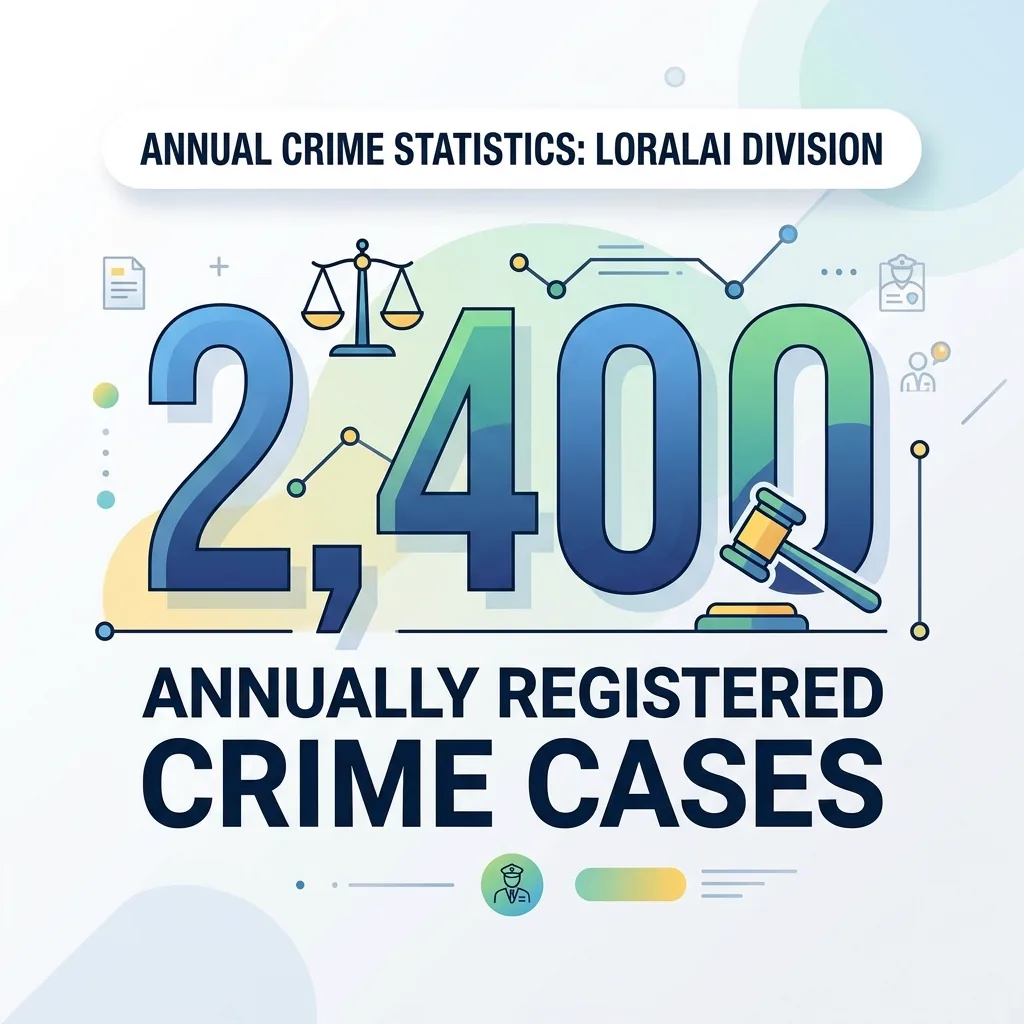
Annually Registered Crime Cases 2,400
59% of the population in Loralai Division lives below the Multidimensional Poverty Index
54% of Loralai Division lacks basic health facilities
Loralai Division literacy rate of 43.89%
38% of Loralai Division lacks road connectivity
61% of Loralai Division has no access to safe drinking water
72% of Loralai Division has no drainage and sanitation
49.30% of children in Loralai Division suffer stunted growth
21.40% youth unemployment rate in Loralai Division
2,400 crime cases registered annually in Loralai Division
04
Districts
11
Tehsils
1,152,400
Population
17,047
Land Area (km²)

Key Challenges

The Loralai Division faces fragile healthcare, infrastructure gaps, sanitation deficits, unsafe drinking water, and climate vulnerabilities along the rugged Suleiman mountain range.

  • Health Overload:
    Major tertiary care facilities, including Loralai Medical College & Teaching Hospital and its sister branches, face persistent shortages of essential machinery and diagnostic staff, falling short of World Bank criteria.
  • Education Shortfalls:
    The division’s literacy rate is 43.89%, dropping to 28.88% among females. A shortage of schools and teachers leaves 52.40% of children out of school, while thousands of schools lack safe water and electricity.
  • Sewerage Pollution:
    Poor municipal planning has left many areas without covered drains and waste treatment plants. Open sewage contaminates stormwater and local seasonal hill torrents, causing seasonal waterborne and vector-borne diseases.
  • Drinking Water:
    Fecal and chemical contamination leaves over 61% of the population without safe drinking water. Provincial status would enable greater investment in water purification and reservoir projects.
  • Employment Challenges:
    Despite its agricultural output and rich coal and marble reserves, Loralai Division has a 21.40% youth unemployment rate due to the lack of modern localized industrial zones.
  • Budget Allocation:
    Loralai Division receives only 4.80% of Balochistan’s FY 2025–26 development budget, while more urbanized divisions receive a significantly larger share.
Key challenges in Loralai Division — health, water, sanitation, poverty and infrastructure

Governance Deficits

Poverty Rate

Compared to Quetta, Loralai is facing a much deeper poverty challenge.

Loralai
66.5%
Quetta
49%

Poor Road Infrastructure

The critical sections of the National Highway (N-50) and secondary district roads connecting Loralai to its upper and lower agricultural hubs remain heavily damaged for years.

Drinking Water

Loralai Division faces a much worse drinking water crisis than Quetta Division.

Loralai
61%
Quetta
42%

Sewerage Overload

Loralai Division faces a far worse sewerage crisis than Quetta Division.

Sewerage disposal stations:

Loralai
0 (severely strained)
Quetta
1/1 (Quetta district)

Health Indicators

Child Malnutrition

Child malnutrition, including stunting and wasting, is worse across the Loralai Division than in Quetta.

Stunted

Loralai
49.30%
Quetta
38.20%

Wasting

Loralai
13.40%
Quetta
9.80%

Beds per 1,000 people

The availability of hospital beds is lower across Loralai Division than capital.

Loralai
0.38
Quetta
0.85

Teaching & Specialized Hospitals

Quetta serves as medical hub of province, leaving Loralai Division with severe deficit of healthcare networks.

Loralai
1
Quetta
12

Child Health Crisis

The child health, per 1,000 live births, across the districts of Loralai Division is far more alarming than Quetta.

Infant Mortality

Loralai
57
Quetta
34

Child Mortality

Loralai
62
Quetta
41

Health Professionals per 1,000

The skilled workforce is weak in Loralai Division compared to Quetta.

Loralai
0.45
Quetta
1.12

Education Shortfalls

According to PBS Census 2023 and Balochistan Education Statistics

Out of School Children

Loralai Division faces greater crisis regarding out of school children than Quetta.

Loralai
52.40%
Quetta
21.50%

Net Enrolment Rate

Loralai Division struggles with much deeper education gap in net enrolment than Quetta.

Loralai
43.89%
Quetta
68.20%

Access to Schools

Limited physical access to educational institutions remains serious concern across Loralai Division.

Loralai
72.00%
Quetta
54.00%

Judicial Stats

Data from High Court of Balochistan & related judicial sources

Balochistan High Court

At the Balochistan High Court, approximately 1,150 cases pertaining to the Loralai Division are pending.

Lower Courts

In the lower courts of the Loralai Division, 2,450 criminal cases and 1,850 civil cases are currently pending.

Consequently, the total number of pending cases in the lower courts of the Loralai Division amounts to 4,300.

Annually Registered Crime Cases

On average, approximately 1,250 crime and law-and-order-related cases are registered annually across the districts of the Loralai Division.

Global Comparison:

  • Pakistan: 241.5 million people with 04 provinces
  • India: Had 9 states at independence; now has 37. New states are created every five years, doubling the pace of development.
  • China: 1.4 billion people with 31 provinces.
  • USA: 320 million people with 50 states.
  • Indonesia: 275 million people with 34 provinces.
  • Russia: 142 million people with 70 to 75 provinces.

More Videos

Chat with Us